Recovering from ACL Surgery: What to Expect in the First 6 Months
ACL recovery is a long road, but with the right guidance, you can return to your sport stronger than ever. Here's your month-by-month roadmap.
An anterior cruciate ligament (ACL) tear is one of the most common and challenging sports injuries, requiring surgical reconstruction and extensive rehabilitation. While the prospect of a 6-12 month recovery can feel overwhelming, understanding what to expect during each phase helps you stay motivated and prevents setbacks. Success requires patience, dedication to physical therapy, and respecting your body's healing timeline—rushing the process significantly increases re-injury risk.
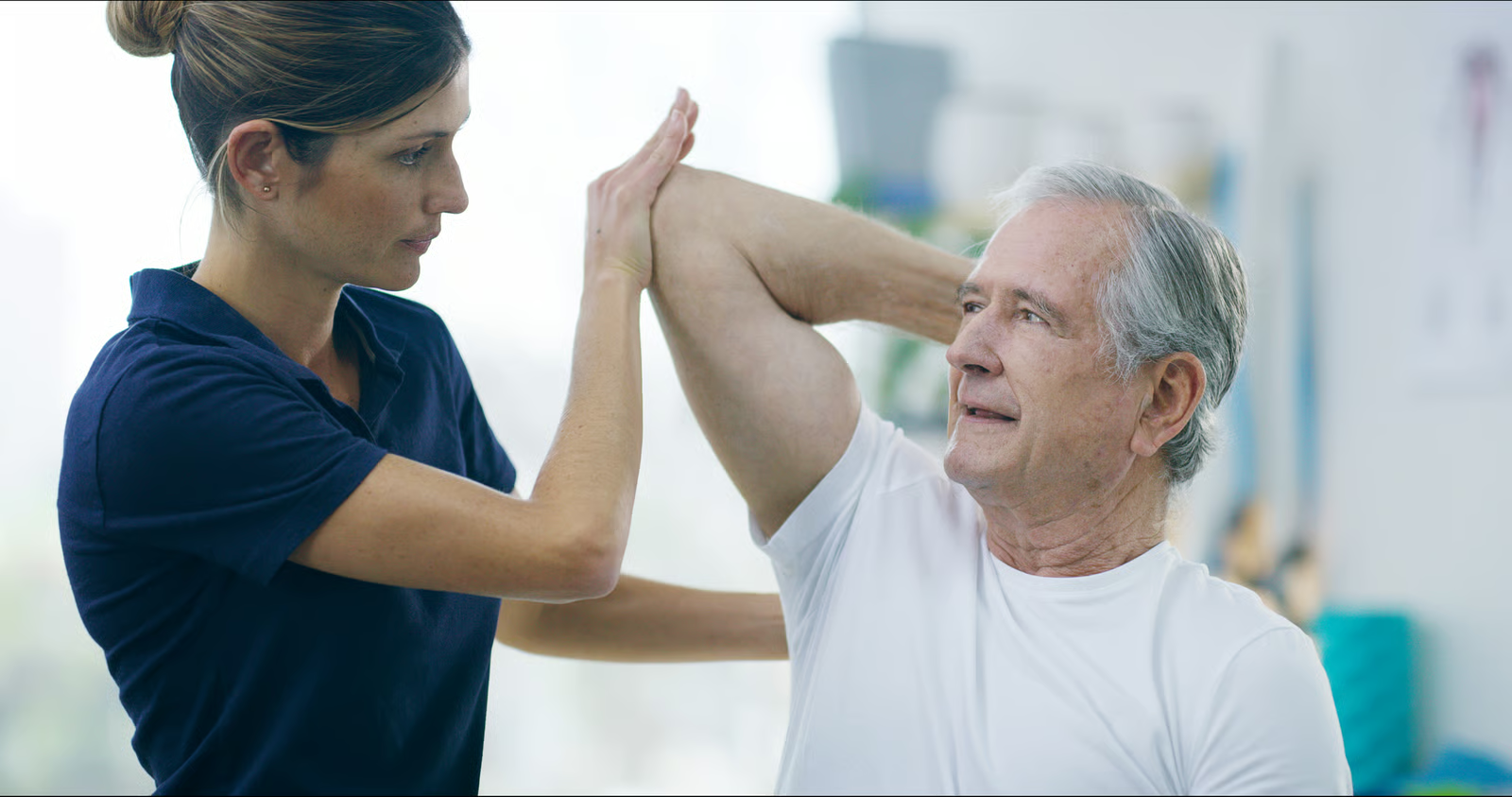
The first month post-surgery focuses on controlling swelling, regaining range of motion, and protecting the graft. Expect to use crutches for 2-4 weeks and wear a brace that may lock your knee initially. Pain and swelling are normal but should gradually decrease. Your physical therapist will guide you through gentle exercises including ankle pumps, quad sets, and passive knee flexion/extension. Achieving full extension (straight knee) is crucial during this phase—many people unconsciously keep a slight bend, which can lead to long-term complications. Ice regularly, elevate your leg, and follow your surgeon's weight-bearing restrictions precisely.
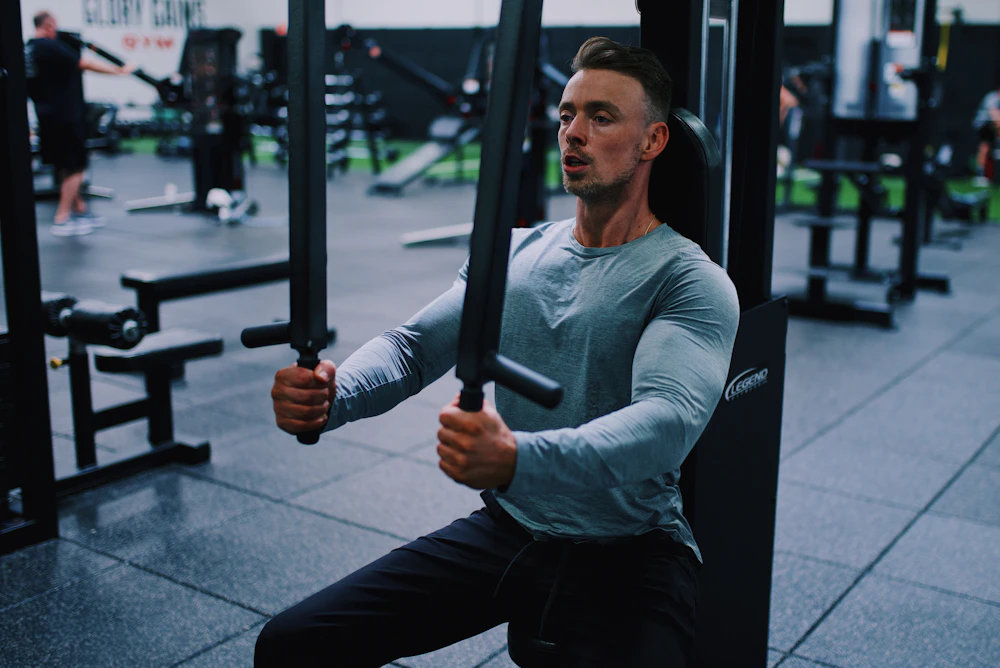
Months 2-3 mark the transition to active rehabilitation. You'll likely discontinue crutches and begin more aggressive strengthening exercises, focusing on quadriceps, hamstrings, and hip muscles. Expect exercises like leg presses, hamstring curls, step-ups, and balance training. Range of motion should reach near-normal levels. This phase often feels frustrating as progress seems slow, but the microscopic healing occurring in your graft is critical. Avoid any pivoting, twisting, or impact activities. By month 4-6, you'll advance to more dynamic movements including light jogging (usually around month 4), agility drills, and sport-specific exercises. Functional strength should improve significantly, though you may notice asymmetry between legs.
Throughout the entire six months, communication with your physical therapist and surgeon is paramount. They'll assess your progress through objective measures like strength tests, hop tests, and range of motion evaluations. Don't compare your timeline to others—healing varies based on factors including graft type, surgical technique, age, and pre-injury fitness level. Most athletes return to full sports participation between 9-12 months post-surgery, with clearance based on functional tests rather than time alone. Stay patient, trust the process, and remember that a thorough rehabilitation significantly reduces re-injury risk and helps you return stronger than before.